


97% is great if you’re talking about free throws. Not as great if you’re talking about landing planes. Now apply that to the stats on wrongful convictions.

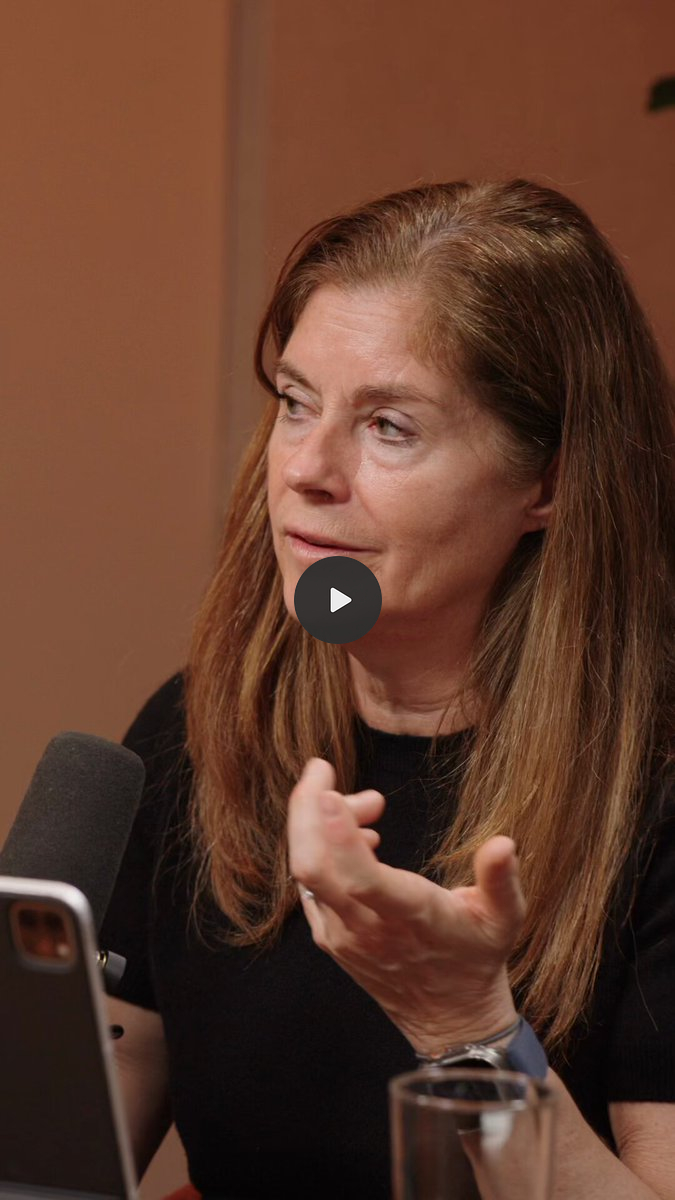
Hey there, I’m Zach Abramowitz and I’m Legally Disrupted, and the podcasts are coming in hot just in time for summer.
Frequent readers of this newsletter know that, in addition to Zach Abramowitz is Legally Disrupted, I also co-host the AAAi Podcast with Bridget McCormack, President and CEO of the American Arbitration Association and former Chief Justice of the Michigan Supreme Court. The goal of the podcast is to introduce the AAA’s audience to some of the most interesting builders, thinkers, and operators shaping the future of legal AI.
Over the last two and a half years, we’ve hosted guests including Richard Susskind, David Lat, Darth Vaughn, Whitney Stefko Dover, and many others. Just as importantly, the podcast also gives listeners a window into the AAA’s own transformation as it positions itself at the center of the future of dispute resolution.
Our conversation with Ariel Deshe from TrialKit.ai stood out because it highlighted something that still isn’t discussed enough in legal AI: there’s a big difference between building AI for a lawyer and building AI for a law firm.
Ariel explains in the podcast how a particular criminal case exposed a core problem in modern litigation: the sheer volume of digital evidence had become impossible for small defense teams to process effectively. Months later, he left public defense and started TrialKit to solve that problem.
That’s what makes the company interesting.
For years, prosecutors had access to increasingly sophisticated investigative and forensic technology while many defense attorneys lacked the resources to keep up. Since the rise of tools like Cellebrite, the imbalance has only grown more pronounced. TrialKit represents something different: for the first time in years, many criminal defense lawyers are finally gaining access to tools powerful enough to help level the playing field at a price point they can actually afford.
The broader point here matters.
One of the persistent myths about AI is that it only works for large enterprises with giant budgets. TrialKit is evidence that AI can also expand access to high-quality legal work for smaller firms and solo practitioners. In that sense, access to justice no longer has to mean “doing more with less.” It can mean giving lawyers better tools in the first place.
AI will not reshape the legal system all at once. It will happen lawyer by lawyer, workflow by workflow, and case by case — especially among practitioners who historically had the fewest resources. That’s part of what makes this moment in legal tech so fascinating. Subscribe to the AAAi podcast if you haven’t already — you can also subscribe on Apple Podcasts and Spotify.
Another very good idea (if I may say so myself) is to subscribe to this newsletter. I’ll be writing about Episode 50 of Zach Abramowitz is Legally Disrupted later this week plus there is more legally disruptive content is on the way.
Sharing is caring. Who do you care about who needs more legal disruption in their life?
You can also connect with me on LinkedIn if that’s your thing.